

When it comes to furnishing a commercial venue, the bar counter is a crucial element that not only defines the aesthetics of the venue, but also influences the functionality and customer experience. Here is the definitive guide that will take you through the different types of bar counters, their specific uses and the materials commonly used to make them.
Types of bar counters
During the design phase at Localiarreda, we devote time and attention to carefully studying the design of each room, ensuring that the counter is installed in the ideal location.
We analyze space layout, customer flow and operational needs to define the perfect location. The goal is to ensure functionality, efficiency and an optimal customer experience by creating a welcoming and practical environment.
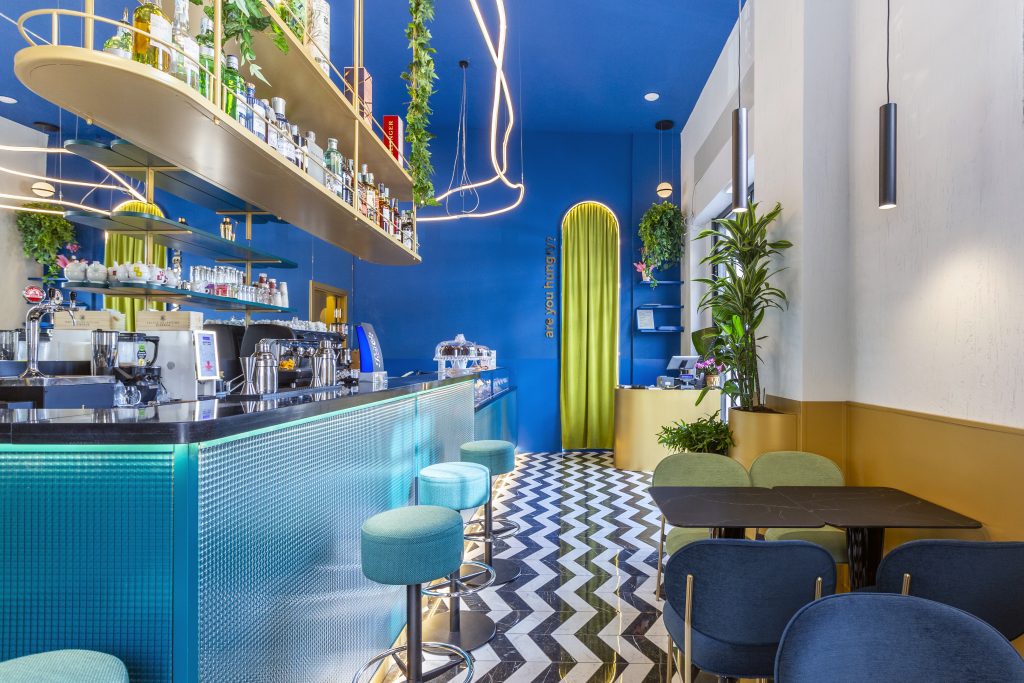
Linear counters
Usage: Ideal for narrow or long spaces, linear counters are perfect for bars with a steady but not too large clientele.
Materials: Stainless steel for the operating part (easy to clean and durable), wood or marble for the outer part (elegance and durability).
Corner counters
Use: Used to make the most of the corners of the venue, they allow greater interaction between bartenders and customers, optimizing available space.
Materials: Solid wood for a traditional look, granite for a modern, refined finish.
Island counters
Use: Perfect for venues with large spaces, these counters allow customers to be served from all sides, creating a social and dynamic environment.
Materials: Quartz surfaces for their durability and ease of maintenance, accompanied by metal frames for contemporary design.
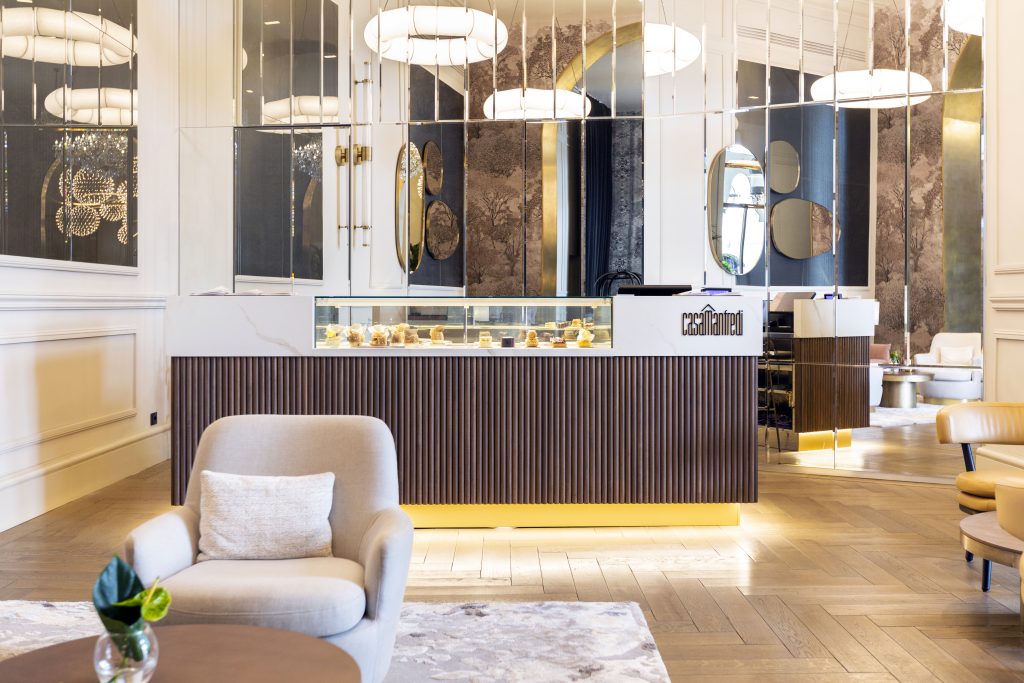
Curved counters
Use: Ideal for adding a touch of originality and movement to decor, they are perfect for designer bars and nightclubs.
Materials: Tempered glass for a bright and transparent effect, curved wood for a warm and cozy appearance.
Modular counters
Use: Suitable for rooms that need flexibility, they can be easily reconfigured to suit different service needs.
Materials: Composite panels and steel, combined to create practical and customizable solutions.
Materials and characteristics
Wood
Features: Warm, cozy, versatile. Wood is perfect for creating traditional or rustic environments.
Maintenance: Requires periodic treatments to preserve its beauty and protect it from stains and moisture.
Stainless steel
Features: Hygienic, durable and easy to clean. Ideal for bar operating areas.
Maintenance: Minimal, just clean regularly with specific detergents to avoid halos.
Marble and granite
Features: Elegant and durable, they give a luxurious appearance and are available in various shades.
Maintenance: Need periodic sealing to avoid staining, especially from acidic liquids.
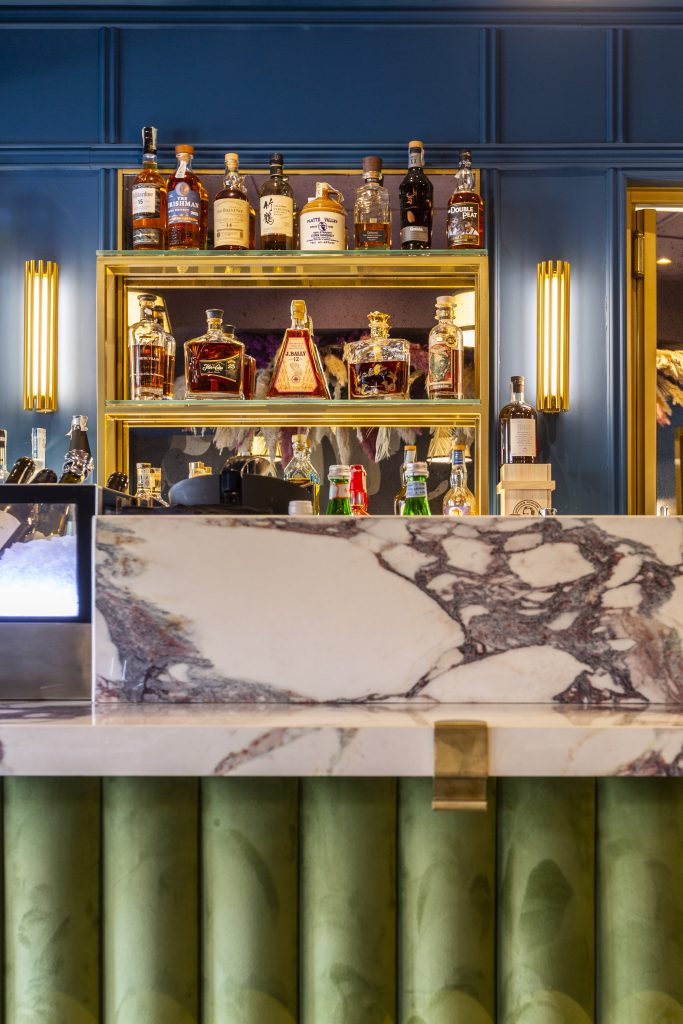
Quartz
Features: Extremely durable and non-porous, quartz is perfect for counters that must withstand heavy use.
Maintenance: Very easy, just a damp cloth for daily cleaning.
Tempered glass
Features: Modern and bright, gives a light and transparent touch to the bar design.
Maintenance: Must be cleaned regularly to maintain transparency and prevent scratches.
How to choose the right bar counter
- Assess the space: Carefully measuring the available space is crucial to choosing a counter that fits perfectly without hindering movement.
- Define the style: The counter should reflect the style of the venue, whether it is modern, traditional or minimalist.
- Consider the functionality: think about how the counter will be used: will it be used for quick drinks or also for elaborate preparations? Should it have space for seating?
- Budget: set a budget and choose materials and designs that offer the best value for money.
By carefully considering the different types, materials and uses, it is possible to create a space that is welcoming, functional and in keeping with the image of the venue. Investing in the right counter means investing in the customer experience, a key element of a successful venue.
Relying on Localiarreda means choosing a partner who considers every detail to enhance your venue and improve the service offered to customers!